
0day Hunting the Day After xAI Open-Sourced grok-build (Part 3): Grok-Build-CLI's folder-trust Blind Spot and the Zero-Prompt RCE
0day (3) I found the day after xAI open-sourced grok-build.
Research Archive
Browse entries by research type, time, topic, and threat domain. This page behaves more like an archive than a feed.
0day (3) I found the day after xAI open-sourced grok-build.
0day (1) I found the day after xAI open-sourced grok-build.

0day (2) I found the day after xAI open-sourced grok-build.
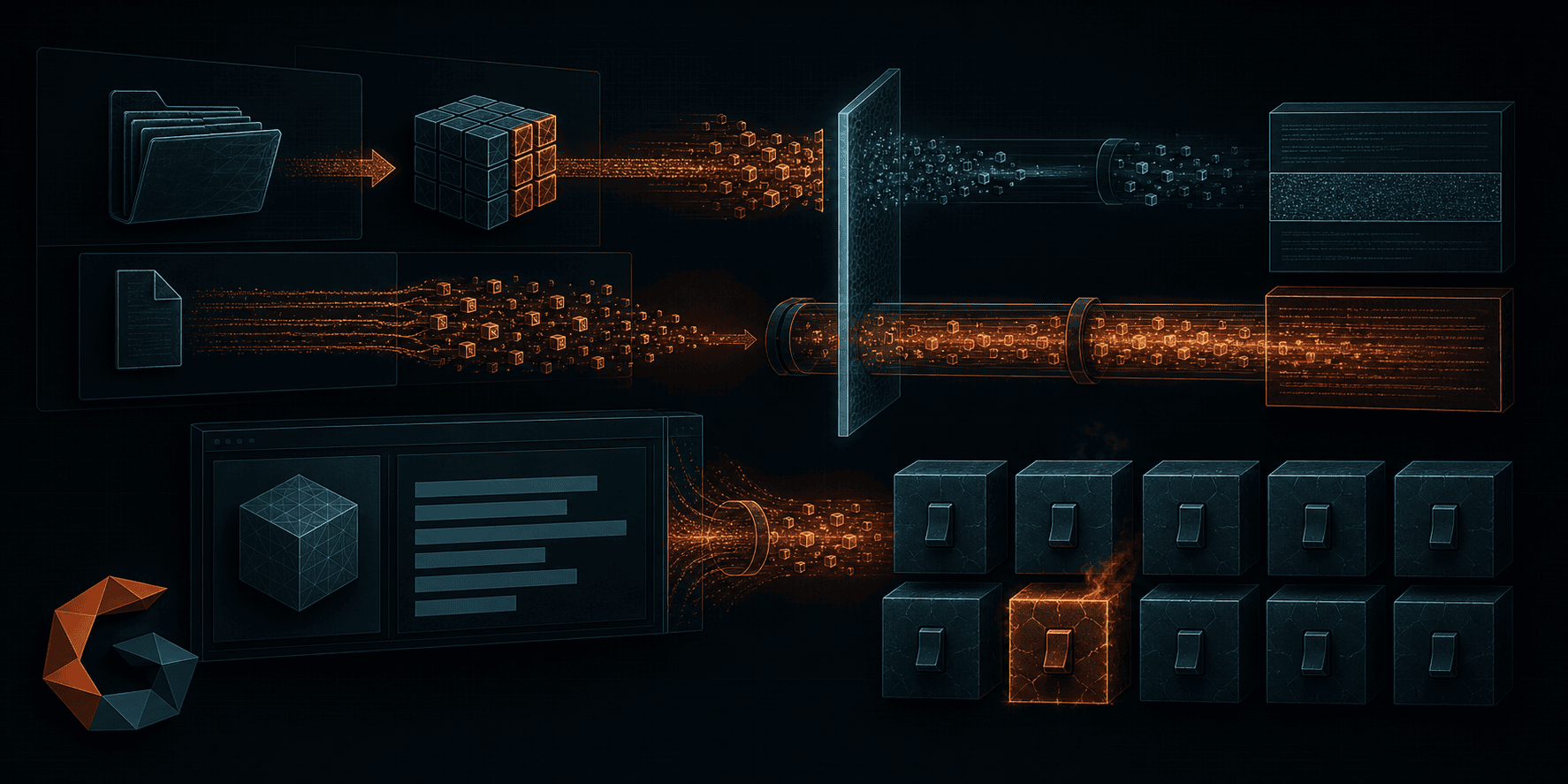
Triple cross-verified with IDA Pro, Frida, and mitmproxy, this post reproduces Grok CLI v0.2.98 uploading the entire codebase (including .env, RSA private keys, and other common dev-time secrets) verbatim and unredacted to xAI cloud storage via git bundle at the start of each turn. Compared against v0.2.93, the upload mechanism is identical across both versions, respect_gitignore defaults to false, and one of the 8 independent switches allows remote override.

CVE-2017-9841 is a pre-authentication remote code execution in PHPUnit's `eval-stdin.php` file, scored CVSS 9.8. The file is designed to accept PHP code through the CLI, but when the entire vendor directory is shipped to production it sits directly under the web root and turns a single unauthenticated POST into arbitrary code execution. The exposure pattern repeats across every PHP project that bundles dev dependencies into production: framework, CMS, package manager, or web root configuration. The fix is not just deleting the file — it is the six-piece baseline of delete + `composer --no-dev` + WAF block + periodic scan + CI/CD gate + yara rule, applied simultaneously.